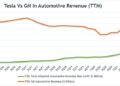

Delving into GM Stock Analysis: Is General Motors a Buy in 2025?, this introduction immerses readers in a unique and compelling narrative, with a casual formal language style that is both engaging and thought-provoking from the very first sentence.
Providing a detailed overview of General Motors' history, products, market position, and recent events sets the stage for a comprehensive analysis of whether it's a good investment in 2025.
Overview of General Motors
General Motors, commonly known as GM, is a well-established American multinational corporation with a rich history in the automotive industry.
Founded in 1908 by William C. Durant, General Motors has grown to become one of the largest automakers globally, with a diverse portfolio of brands under its umbrella.
Brief History of General Motors
General Motors was established in 1908 and quickly rose to prominence in the automotive industry. Over the years, GM has acquired various brands, expanded its global reach, and played a significant role in shaping the automobile market.
Key Products and Services Offered by General Motors
- GM offers a wide range of vehicles, including cars, trucks, and SUVs, under popular brands like Chevrolet, GMC, Buick, and Cadillac.
- In addition to vehicle manufacturing, GM also provides financial services through GM Financial, offering auto loans, insurance, and leasing options.
Market Position of General Motors in the Automotive Industry
General Motors holds a prominent position in the automotive industry, competing with other major automakers like Ford, Toyota, and Volkswagen. GM's focus on innovation, electric vehicles, and sustainability has helped maintain its market presence.
Recent Significant Events or Changes within General Motors
- In recent years, General Motors has made substantial investments in electric vehicles, with plans to transition to an all-electric future by 2035.
- GM has also ventured into autonomous vehicles and mobility solutions, partnering with technology companies to drive innovation in the industry.
Financial Performance Analysis
General Motors has shown significant financial performance over the years, reflecting its position in the automotive industry. Let's delve deeper into the key financial metrics to understand the company's financial health.
Revenue Trends
- General Motors has experienced fluctuating revenue trends over the last decade. From 2010 to 2020, the company's revenue has shown growth in some years, followed by declines in others. This can be attributed to various factors such as market demand, economic conditions, and competition.
- In 2020, General Motors reported a revenue of $122.49 billion, which was a decrease from the previous year. The COVID-19 pandemic impacted the automotive industry, leading to a decline in sales and production.
Profitability Metrics
- The net income margin of General Motors has varied over the years, reflecting the company's ability to generate profits from its operations. Factors such as cost management, pricing strategies, and market conditions influence this metric.
- Return on equity (ROE) and return on assets (ROA) are important profitability metrics that indicate how efficiently General Motors is utilizing its shareholders' equity and assets to generate profits. These metrics help investors assess the company's performance relative to its financial resources.
Debt-to-Equity Ratio
- The debt-to-equity ratio of General Motors indicates the proportion of debt used to finance the company's operations compared to equity. A high debt-to-equity ratio can indicate higher financial risk, as the company relies more on debt financing. However, it can also signify leverage that enhances returns for shareholders in favorable market conditions.
- General Motors has managed its debt-to-equity ratio effectively, balancing the need for capital with financial stability. This ratio plays a crucial role in the company's financial decision-making and risk management strategies.
Stock Price Performance
- The stock price performance of General Motors has been influenced by various factors, including company performance, industry trends, economic conditions, and market sentiment. Investors closely monitor these factors to make informed decisions about buying or selling General Motors stock.
- Factors such as new product launches, technological advancements, competition, and regulatory changes can impact General Motors' stock price. Understanding these factors and their implications on the company's financial performance is essential for investors evaluating the stock.
SWOT Analysis of General Motors

General Motors, like any other company, has its own set of strengths, weaknesses, opportunities, and threats that can impact its performance in the automotive market.
Strengths of General Motors as a company
- Strong brand recognition globally, with a long history in the automotive industry.
- Diverse product portfolio including popular brands like Chevrolet, Cadillac, and GMC.
- Investment in research and development leading to innovation in electric and autonomous vehicles.
- Global presence with manufacturing facilities in key markets around the world.
Weaknesses or challenges faced by General Motors
- High production costs compared to some competitors, affecting profit margins.
- Dependence on North American market for a significant portion of revenue.
- Legacy issues related to recalls and quality control affecting consumer trust.
Opportunities for growth and expansion in the automotive market
- Increasing demand for electric vehicles presents an opportunity for GM to expand its EV offerings.
- Growing markets in emerging economies like China and India provide a chance for market expansion.
- Potential for partnerships and collaborations in the tech industry for advanced vehicle technologies.
Threats to General Motors' business sustainability
- Intense competition in the automotive industry from both traditional automakers and new entrants.
- Regulatory changes and tariffs impacting production costs and market access.
- Shifts in consumer preferences towards ride-sharing and autonomous vehicles affecting traditional car sales.
Innovation and Sustainability Efforts
In today's rapidly evolving automotive industry, innovation and sustainability efforts play a crucial role in determining the success of a company. General Motors (GM) has been actively engaged in various initiatives to drive innovation and promote sustainability within the organization.
Research and Development Initiatives by General Motors
General Motors has a strong focus on research and development (R&D) to stay ahead of the curve in the automotive sector. The company invests heavily in developing advanced technologies such as autonomous vehicles, electric propulsion systems, and connected car technologies.
By continuously innovating in these areas, GM aims to enhance the driving experience for customers while also improving the efficiency and sustainability of its vehicles.
Sustainability Practices and Initiatives within the Company
GM is committed to sustainability and has set ambitious goals to reduce its environmental impact. The company has been working towards achieving carbon neutrality by 2040 and transitioning to an all-electric future. GM's sustainability efforts include investing in renewable energy, reducing waste, and promoting recycling throughout its operations.
By prioritizing sustainability, GM not only contributes to a cleaner environment but also aligns itself with the growing demand for eco-friendly transportation solutions.
Impact of Innovation on General Motors' Competitive Advantage
The innovative technologies developed by GM give the company a competitive edge in the market. By introducing cutting-edge features in its vehicles, such as advanced driver-assistance systems and electric powertrains, GM can attract tech-savvy consumers looking for the latest innovations.
This focus on innovation not only differentiates GM from its competitors but also positions the company as a leader in the automotive industry.
Adapting to the Shift Towards Electric Vehicles and Clean Energy
As the automotive industry moves towards electric vehicles and clean energy solutions, GM has been proactive in adapting to this shift. The company has announced plans to launch a wide range of electric vehicles in the coming years, including the highly anticipated Chevrolet Silverado electric pickup truck.
By embracing electric mobility and investing in sustainable technologies, GM is positioning itself as a key player in the transition towards a greener transportation ecosystem.
Market Trends and Competition
The automotive industry is constantly evolving, with new market trends shaping the landscape. General Motors (GM) must navigate these trends to stay competitive and relevant in the market.
Current Market Trends in the Automotive Industry
- Increased focus on electric vehicles (EVs) and sustainability
- Rise of autonomous driving technology
- Shift towards mobility services and shared transportation
Major Competitors of General Motors and Their Market Share
- Ford Motor Company - Competes directly with GM in the US market
- Toyota Motor Corporation - Global competitor with a strong presence in various markets
- Volkswagen Group - Leading player in the European market
Differentiation Strategies Employed by General Motors
- Focus on innovation and technology to differentiate its vehicles
- Investment in electric vehicle development to stay ahead in the EV market
- Emphasis on quality and safety of vehicles to attract customers
Potential Impact of Emerging Technologies on General Motors' Market Position
General Motors must adapt to emerging technologies like autonomous driving and connectivity to maintain its competitive edge. These technologies have the potential to revolutionize the automotive industry and reshape consumer preferences.
Investment Considerations

When considering investing in General Motors stock, it is important to take into account various factors that can impact the potential returns and risks associated with the investment.
Analyst Recommendations and Target Prices
Analysts often provide recommendations and target prices for stocks based on their research and analysis. It is advisable to take these recommendations into consideration when making investment decisions.
Dividend History and Yield of General Motors
General Motors has a history of paying dividends to its shareholders. The dividend yield, which is the dividend amount relative to the stock price, can provide insight into the potential income generated from owning General Motors stock.
Comparison of Valuation Metrics with Industry Peers
Analyzing General Motors' valuation metrics, such as price-to-earnings ratio, price-to-sales ratio, and price-to-book ratio, in comparison to its industry peers can help investors assess whether the stock is undervalued or overvalued.
Potential Risks and Opportunities
Investing in General Motors stock comes with its own set of risks and opportunities. It is essential for investors to evaluate factors such as competition, regulatory changes, economic conditions, and technological advancements that can impact the company's performance and stock price.
Last Word
In conclusion, the discussion on GM Stock Analysis: Is General Motors a Buy in 2025? highlights key insights and considerations for investors looking to make informed decisions in the automotive industry.
User Queries
What factors should investors consider before buying General Motors stock in 2025?
Investors should evaluate the company's financial performance, market position, and future growth prospects to make an informed decision on buying GM stock in 2025.
How has General Motors adapted to the shift towards electric vehicles and clean energy?
General Motors has invested in research and development for electric vehicles, showcasing its commitment to sustainability and innovation in the automotive market.
What are some potential risks associated with investing in General Motors?
Potential risks include market competition, economic downturns, and regulatory challenges that could impact General Motors' stock performance.